








Madrid Open Tennis Tournament: History, Significance, Surface and Prize Money
The Madrid Open, officially known as the Mutua Madrid Open, is one of the most prestigious tennis tournaments in the world. This tournament is a staple in the annual tennis calendar and attracts top players from around the globe. Whether you’re a tennis enthusiast or just curious about this grand event, understanding the history, significance, and logistics of the Madrid Open can enhance your appreciation of the sport. Dive into its rich history, strategic significance, the unique clay surface, lucrative prize incentives, and the meticulous schedule that makes it a highlight in the tennis world.

Inception and Early Years
The Madrid Open began in 2002 on indoor hard courts, marking its debut as a major player in the international tennis scene. Initially, the tournament was held in October, competing with other significant events for the attention of players and fans alike. It quickly garnered attention for its state-of-the-art facilities and its ambition to become a cornerstone of the tennis calendar.
During its early years, the tournament attracted rising stars and established players eager to gain an edge before the year’s end. The indoor hard court setting offered a distinct challenge, differing from the conditions players faced at the earlier Grand Slam events, thus requiring a unique blend of power and precision.
The Shift to Clay Courts
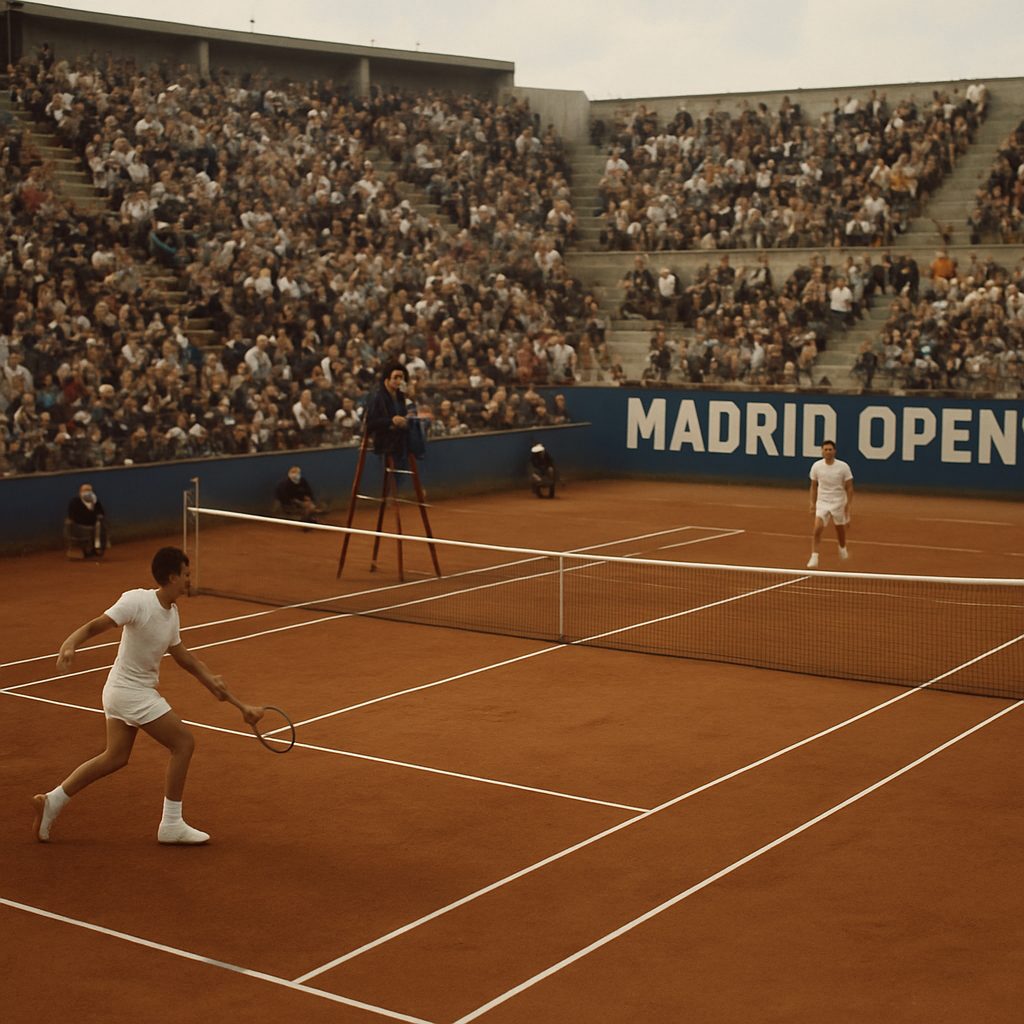
In 2009, the Madrid Open underwent a transformative change by shifting from indoor hard courts to outdoor clay courts. This strategic move was aimed at aligning the tournament more closely with the clay court season, providing players with critical preparation for the French Open. This shift not only enhanced its relevance but also increased its prestige as players now viewed it as a crucial stepping stone toward success in the clay season.
The transition was met with enthusiasm from players and fans, as it offered a new set of challenges and opportunities. The clay surface demanded greater endurance and strategic play, making the Madrid Open a true test of skill and adaptability.
Expansion and Dual-Gender Format
The Madrid Open’s evolution continued with its expansion to include both ATP Tour Masters 1000 for men and Premier Mandatory event status on the WTA Tour for women. This dual-gender format significantly increased its appeal, allowing fans to witness top-tier tennis from both male and female athletes. This inclusive approach not only broadened its audience but also solidified its status as a premier event in the tennis calendar.
The dual-gender format has been instrumental in promoting gender equality in tennis, showcasing the sport’s diversity and the incredible talent across both tours. This inclusive platform has set a precedent for other tournaments to follow, highlighting the Madrid Open’s role as a leader in the sport’s progression.
The Significance of the Madrid Open
The significance of the Madrid Open cannot be overstated. It serves as a critical preparatory ground for the clay season, especially for players aiming to excel at the French Open. For many athletes, performing well in Madrid is a strong indicator of their potential success in Paris.
Crucial Pre-French Open Preparation
As the Madrid Open is strategically placed just before the French Open, it becomes an essential training ground for players looking to hone their clay-court skills. The tournament offers a rare opportunity to gauge the form and fitness of competitors, providing valuable insights into potential outcomes at Roland Garros. Success in Madrid often translates into confidence and momentum heading into the Grand Slam, making it a must-play event for top contenders.
The tournament’s timing allows players to adapt to clay’s unique demands, testing their endurance and tactical acumen. Players who excel here often find themselves better prepared to tackle the rigorous challenges of the French Open, making Madrid a pivotal stop on the road to Roland Garros.
Strategic Position in the Tennis Calendar
The Madrid Open occupies a strategic position within the tennis calendar, serving as one of the last major tournaments before Roland Garros. This timing makes it a critical opportunity for players to earn ranking points and fine-tune their game in high-pressure situations. For many, it is the final chance to make necessary adjustments, ensuring they peak at the right moment during the clay season.
The tournament’s placement also influences the decisions of players regarding their schedule, as they must balance rest and preparation to optimize their performance. This strategic consideration adds another layer of complexity to the tournament, making it a fascinating watch for fans and analysts alike.
A Platform for Emerging Talent
Beyond its role as a preparatory event, the Madrid Open also serves as a platform for emerging talent to make their mark on the international stage. Young players often view this tournament as an opportunity to challenge established stars, gaining invaluable experience and exposure. The intense competition and high stakes provide a proving ground for the next generation of tennis champions.
The tournament’s history is replete with instances of young players breaking through and announcing their presence on the world stage. For fans, witnessing the rise of new talent adds an extra layer of excitement and unpredictability to the event.
The Surface: Clay Courts

The Unique Characteristics of Clay
Clay courts present a distinct set of challenges and characteristics that differentiate them from other surfaces. The slower pace and higher bounce of the ball require players to adapt their strategies, emphasizing longer rallies and precise footwork. The surface demands not only physical endurance but also mental resilience, as matches on clay can become grueling tests of willpower and strategy.
Players must also contend with the variability of clay, as weather conditions can significantly affect play. The clay surface can become slick or heavy depending on moisture levels, adding an unpredictable element that players must navigate. This adaptability is a hallmark of successful clay-court players, who must adjust their tactics to suit the ever-changing conditions.
The Role of Caja Mágica
The venue for the Madrid Open, Caja Mágica, is renowned for its world-class facilities and unique design. Featuring three main stadium courts with retractable roofs, it ensures that play can continue regardless of weather conditions. The stadium’s architecture combines modern aesthetics with functionality, providing an ideal setting for both players and spectators.
The quality and consistency of the clay courts at Caja Mágica are a point of pride for the tournament organizers. Meticulous maintenance ensures that the courts remain in top condition, offering a fair challenge to all participants. This commitment to excellence has solidified the venue’s reputation as one of the premier locations for clay-court tennis.
Adapting to the Surface: Player Strategies
Success on clay requires a distinct set of skills and strategies that differ from those on faster surfaces. Players must develop a keen sense of positioning, utilizing the entire court to outmaneuver opponents. The ability to slide into shots and maintain balance is crucial, as is the capacity to execute topspin-heavy strokes that exploit the surface’s characteristics.
Tactically, players often employ a more patient approach, constructing points methodically and waiting for the right opportunity to attack. This strategic depth is one of the reasons why clay-court tennis is revered for its complexity and nuance, offering spectators a chance to witness the sport’s cerebral side in action.
Prize Money and Player Incentives
The Madrid Open is not only prestigious in terms of ranking points but also offers substantial prize money, making it a lucrative stop on the tour. The prize money distribution is generous, rewarding players for their performance at every stage of the tournament.
Financial Rewards and Distribution
The financial incentives at the Madrid Open are a significant draw for players, with a generous prize pool that rewards excellence and persistence. The distribution of prize money is structured to ensure that players are compensated at various stages of the tournament, from early rounds to the finals. This tiered approach not only motivates top contenders but also provides opportunities for lower-ranked players to earn substantial rewards.
Each year, the tournament reviews and adjusts its prize money to remain competitive with other major events, reflecting its commitment to supporting players financially. This ongoing evaluation ensures that the Madrid Open continues to attract the best talent from around the world.
Attracting Top Talent
The combination of ranking points and financial incentives makes the Madrid Open a must-play event for the world’s top players. The tournament’s status as a Masters 1000 and Premier Mandatory event guarantees participation from the highest-ranked individuals, ensuring a high level of competition. For players, the opportunity to test themselves against their peers in a high-stakes environment is invaluable, providing both a challenge and an opportunity for growth.
The presence of top talent enhances the tournament’s appeal to sponsors and fans, creating a virtuous cycle that reinforces its status as a premier event. This dynamic attracts significant media attention, further amplifying the tournament’s profile on the global stage.
The Impact on Player Careers
Performing well at the Madrid Open can have a lasting impact on a player’s career, boosting their confidence and elevating their status within the sport. Success in Madrid often serves as a stepping stone to greater achievements, with many champions using their victories here as a springboard to Grand Slam success. The ranking points earned can also influence a player’s seeding at future tournaments, affecting their trajectory throughout the season.
For emerging players, a strong showing at the Madrid Open can lead to increased visibility and sponsorship opportunities, providing the financial support necessary to sustain their careers. This potential for career advancement makes the tournament a pivotal moment in the annual tennis calendar.
The Madrid Open Schedule
Understanding the Madrid Open schedule is essential for fans and players alike. Typically held in early May, the tournament spans approximately ten days, culminating in exciting finals for both the men’s and women’s events.
Key Dates and Order of Play

The Madrid Open schedule is meticulously planned to accommodate various matches, including singles, doubles, and mixed doubles. Fans can expect thrilling matches from the very first round, with the order of play determined daily.
The tournament kicks off with qualifying rounds, offering a glimpse of emerging talent vying for a spot in the main draw. As the week progresses, anticipation builds toward the quarterfinals, semifinals, and ultimately, the finals, where champions are crowned. This progression keeps fans engaged, with each round offering new storylines and dramatic moments.
The Role of Technology in Scheduling
Modern technology plays a crucial role in managing the Madrid Open schedule, ensuring smooth operations and timely updates for fans and players. Advanced software systems are employed to generate the order of play, taking into account factors such as player recovery times, court availability, and potential weather disruptions. This technological integration enhances the tournament experience, providing real-time information and minimizing delays.
For fans, digital platforms offer convenient access to the schedule, allowing them to plan their viewing or attendance with ease. Online tools and mobile apps provide timely notifications and updates, ensuring that enthusiasts never miss a moment of the action.
Broadcast and TV Schedule
The Madrid Open tennis TV schedule ensures that fans around the world can catch the action live. Major sports networks broadcast the tournament, providing comprehensive coverage of matches, player interviews, and expert analysis.
Global broadcasters partner with the tournament to deliver extensive coverage, reaching millions of viewers across different continents. In addition to traditional television broadcasts, many networks offer streaming services, allowing fans to watch matches on various devices. This accessibility enhances the tournament’s reach and popularity, engaging a diverse audience and fostering a worldwide community of tennis enthusiasts.
Commentators and analysts add depth to the viewing experience, offering insights into player strategies and match dynamics. This expert commentary enriches the broadcast, making it both informative and entertaining for viewers.
Tips for Attending the Madrid Open
For those fortunate enough to attend the Madrid Open in person, a few tips can enhance the experience:
Plan Ahead
Checking the Madrid tournament schedule and order of play is crucial to ensure you don’t miss any key matches. Planning your visit allows you to prioritize the matches and players you are most interested in, optimizing your experience at the venue.
Consider purchasing tickets in advance, as high-demand matches can sell out quickly. Early planning also allows you to explore accommodation options and transportation, ensuring a smooth and enjoyable visit to Madrid.
Arrive Early and Explore
The venue can get crowded, especially during high-profile matches. Arriving early guarantees a good seat and a chance to soak in the atmosphere. The excitement in the air is palpable, with fans eagerly anticipating the day’s matches and cheering on their favorite players.
Beyond the tennis action, Caja Mágica offers a variety of attractions and amenities. Take the time to explore the facilities, enjoy the diverse food options, and immerse yourself in the vibrant atmosphere. The venue often hosts entertainment and cultural events, adding an extra layer of enjoyment to your visit.
Stay Informed and Flexible
Keep an eye on the Madrid Open timetable for any last-minute changes due to weather or other factors. Flexibility is key, as unexpected delays or schedule adjustments can occur. Staying informed through official channels ensures that you remain up-to-date and can adjust your plans accordingly.
Consider bringing essentials such as sunscreen, a hat, and comfortable footwear to enhance your comfort during the event. With a little preparation and adaptability, your experience at the Madrid Open can be unforgettable.
Madrid Open – Men’s Singles: Player With Most Titles
Rafael Nadal – 5 titles
- 2005, 2010, 2013, 2014, 2017
- He holds the all-time record for the most Madrid Open men’s singles titles.
Madrid Open – Women’s Singles: Player With Most Titles
Petra Kvitová – 3 titles
2011, 2015, 2018
She holds the all-time record for the most Madrid Open Women’s singles titles.
Conclusion
The Madrid Open is a highlight of the tennis calendar, offering thrilling matches, a stunning venue, and a chance for players to showcase their skills on clay courts. Whether you follow the tournament’s progression through the Madrid open order of play or catch the action on TV, the excitement and prestige of this event are undeniable.
From its rich history to its significance in the tennis world, the Madrid Open continues to captivate audiences and inspire players. As you delve into the world of tennis, the Madrid Open stands out as a must-watch event, embodying the passion, competition, and camaraderie that define the sport. Whether you’re a seasoned fan or new to tennis, the Madrid Open offers a unique experience that celebrates the beauty and intensity of this beloved game.